

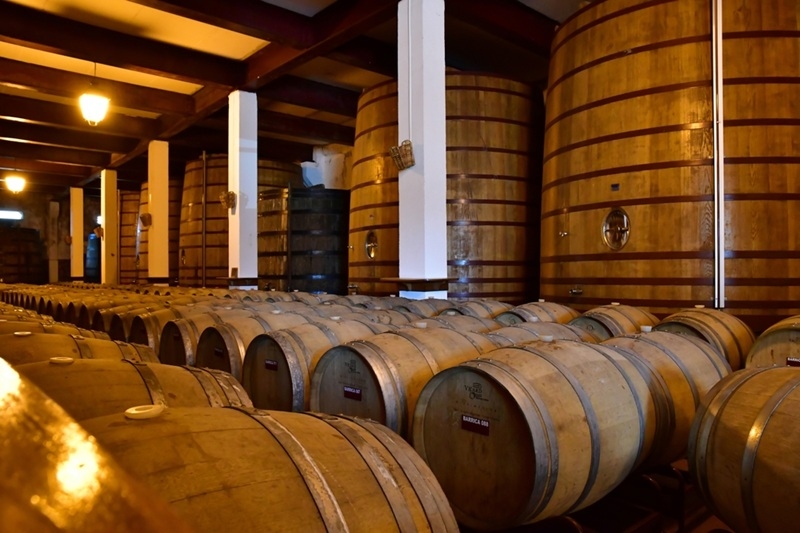
Malolactic fermentation changes the structure of wine through a simple acid conversion. The process turns malic acid into lactic acid. Malic acid tastes sharp. Lactic acid tastes softer. This shift lowers acidity and changes texture in a direct way.
Winemakers start malolactic fermentation after alcoholic fermentation. They add selected lactic acid bacteria to the tank or barrel. Warm temperature supports activity. The bacteria convert the malic acid until levels drop. The wine becomes softer with less bite. The process also supports stability during aging.
You see the term often in discussions about Chardonnay and red wine. The reason is simple. The process has a clear impact on mouthfeel.
Malolactic fermentation shapes how a wine feels on your palate. The process helps winemakers control acidity and texture. They use it with intention.
Here are the main effects.
Most red wines depend on malolactic fermentation. Red wine has higher tannins and natural acidity. The conversion supports balance. Without it, the wine tastes harsh.
White wines use malolactic fermentation for style. Some producers want a fuller profile. Others want a clean and crisp structure. The decision depends on the target style.
More to Discover: The Rise of Rosé: How Pink Wine Became a Global Phenomenon
The process begins when the winemaker adds a specific strain of lactic acid bacteria. These bacteria use malic acid as their food source. They convert it into lactic acid. The winemaker monitors temperature and acidity. The process ends when malic acid drops to a stable level.
Lees contact changes the level of diacetyl. More contact equals stronger buttery notes. Less contact equals a cleaner finish. Each producer decides the level they want.
Malolactic fermentation wine shows clear signs. You notice them even without formal training.
Common markers include these points.
When a wine skips the process, the difference is clear.
Examples help explain the contrast.
A California Chardonnay aged in oak often shows full malolactic fermentation. The wine feels broader with soft acidity. A stainless steel fermented Chardonnay avoids the process. The wine tastes crisp and focused. A Cabernet Sauvignon from California relies on malolactic fermentation for a smoother finish. A New Zealand Sauvignon Blanc avoids the process to protect its sharp profile.
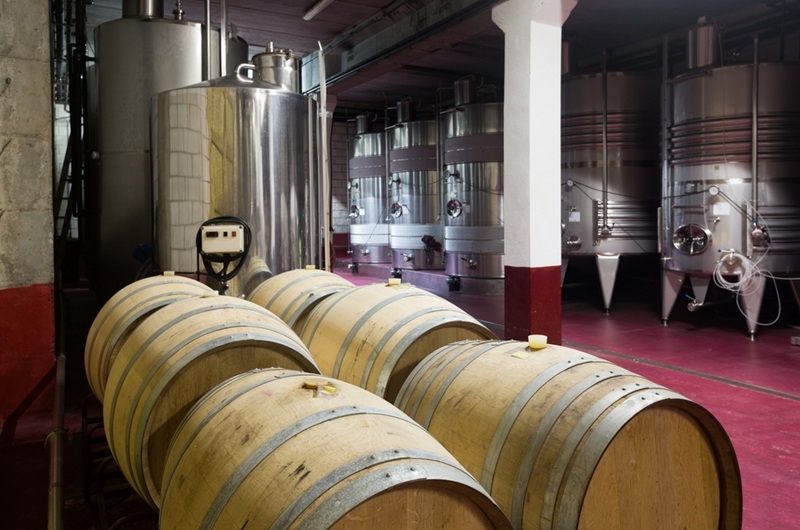
Most red wines use malolactic fermentation. The goal is consistent structure and balance. The conversion supports tannin integration.
Red wines that use the process include these grapes.
White wines use the process based on intended style.
Common examples.
Sparkling wines use partial malolactic fermentation when acidity runs high. This is common in cooler climates.
You may like: Beginner’s Guide to Building a Wine Collection: Expert Tips
Producers block the process when they want freshness. They use cold storage, sulfur dioxide, or filtration to stop bacteria from working. This prevents the conversion and protects acidity.
Wines that avoid malolactic fermentation taste sharp and focused. The profile works well for food that needs bright contrast. These styles pair well with salads, sushi, fresh cheese, and citrus driven dishes.
Blocking malolactic fermentation supports producers in regions with warm weather. Warm climates create grapes with lower acidity. These producers skip the process to keep structure intact.
You can identify malolactic fermentation through clear clues.
Signs of malolactic fermentation.
Signs of blocked malolactic fermentation.
Producers rarely hide their choices. Chardonnay labels often mention barrel aging, stainless steel, or malolactic fermentation. These terms tell you what to expect.
Red wines depend on malolactic fermentation for structure. The process softens the overall profile. It supports tannin integration. It also brings stability before aging. Without malolactic fermentation, red wine tastes sharp and uneven.
White wines use the process for stylistic targets. Some producers want rich texture. Others want precision and freshness. The choice depends on climate, grape type, and market preference.
Warm climate whites sometimes avoid the process to protect acidity. Cool climate whites often use the process to soften aggressive acidity.
Producers manage the process through controlled steps.
To block the process, winemakers use cold temperatures or sulfur dioxide. They also filter the wine to remove bacteria. The result is a crisp and bright profile.
These decisions shape the final wine. Climate, grape type, and cellar goals influence everything.
Explore More: Top Picks for Delicious Low Carb Wine You Need to Try Now
You pick bottles with more accuracy when you know how malolactic fermentation works. If you want a soft and creamy white wine, choose an oaked Chardonnay with full malolactic fermentation. If you want a crisp white wine, look for stainless steel versions or grapes known for high acidity.
If you prefer smooth red wines with balanced texture, choose classic varieties like Pinot Noir, Merlot, or Cabernet Sauvignon. These wines use malolactic fermentation as a standard step.
Knowing the answer to the question, what is malolactic fermentation, helps you understand why wines differ in texture and structure. Malolactic fermentation in wine explains why some wines feel gentle and broad while others feel sharp. Malolactic fermentation wine gives you a softer and rounder option when that aligns with your taste.
These points answer common questions in a direct way.
It is a process where lactic acid bacteria convert malic acid into lactic acid. The change lowers acidity and creates a softer texture.
Winemakers add selected lactic acid bacteria after alcoholic fermentation. Warm temperature supports activity. The bacteria convert malic acid into lactic acid.
Producers skip the process when they want high acidity and crisp structure. They use cold storage, sulfur dioxide, or filtration to stop the conversion.
Soft acidity and round texture point to the process. Sharp acidity signals that the conversion was blocked.
This content was created by AI